
What It Takes To Stay In Artist Management For The Long Run
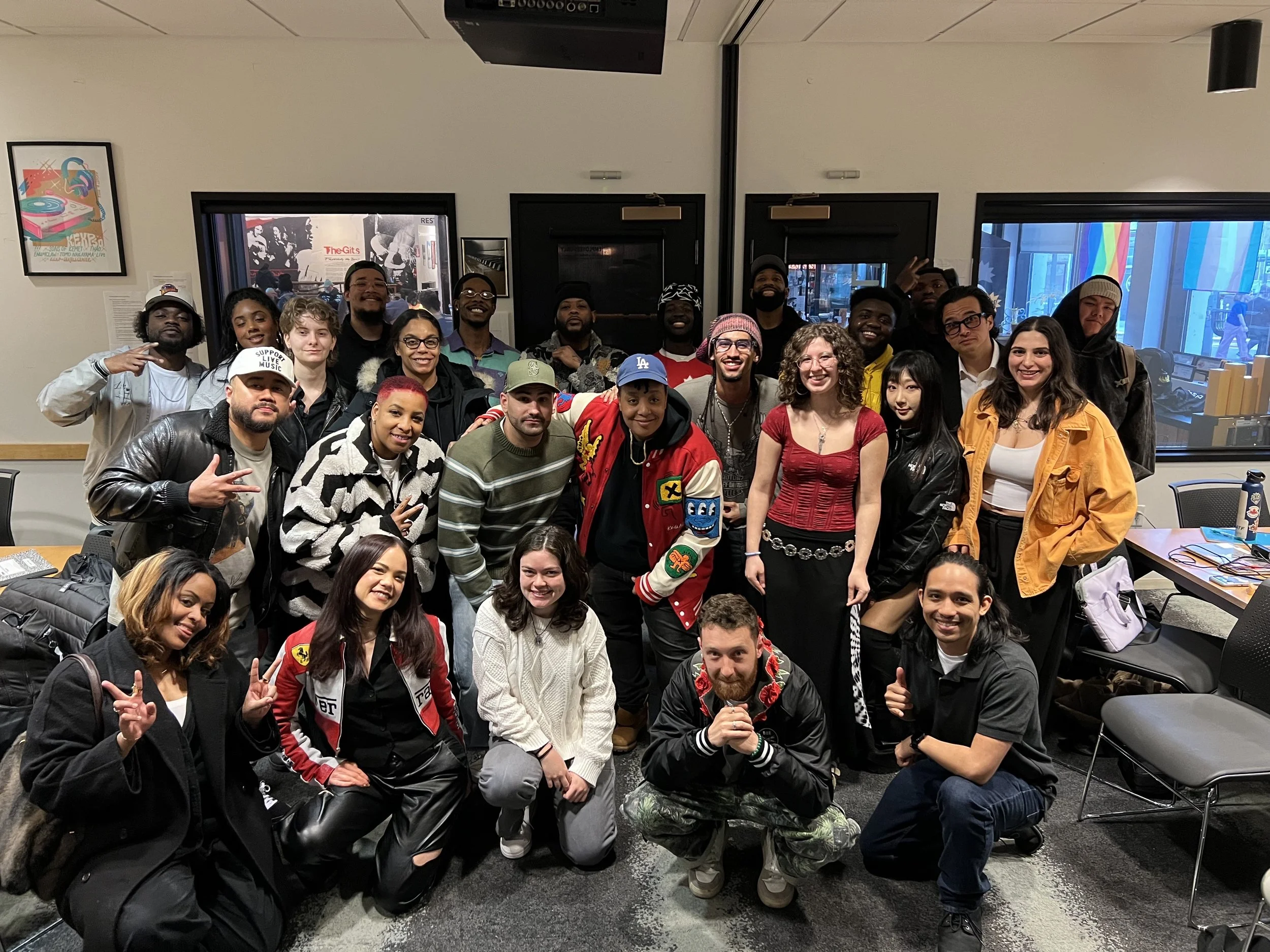
Group pic of all the artists & managers at HaveUHeard’s “The Pipeline” workshop series in February 2026.
I’ve been noticing that people often expect managers to have it all figured out. There are always deadlines, opportunities, problems, planning, and communication. Most days, it feels like you’re just trying to hold things together and keep the artist moving forward.
But something I’ve been thinking about lately is this: what happens when the pace of management starts to feel hard to keep up with, especially over time?
I’ve noticed that many independent managers know a lot, but it’s usually because they’ve spent years just trying to keep things going under a lot of pressure. There’s always so much to keep track of. Every project feels like it needs your attention right now. If you miss an email or wait too long to make a call, it can feel like you’re letting something slip, for you and for the artist. After a while, it’s not surprising that some people start to feel worn down or even step away from management. If there’s never any space to slow down or recover, it can really take a toll, both mentally and emotionally.
Something to consider is that management isn’t just a sprint. It’s a marathon too, and sometimes it really does feel like both at the same time. You’re learning as you go, adapting, solving problems, and trying to keep that up for years. But I don’t think it’s just about pushing yourself harder every time. It might be more about finding ways to protect your energy while still being there for your people. Sometimes that means building better systems, asking for help, or handing things off before it gets to be too much. There’s a difference between burning out from trying to do everything yourself and finding a way to keep going while still showing up for your artists.
Not everyone stays a manager forever, and honestly, that’s okay. The experience, relationships, and perspective you gain from management can stick with you, even if your role changes later on. If you’re still figuring this out, it might help to give yourself a little breathing room. And if things have been feeling heavier lately, maybe it’s worth thinking about what sustainability could look like for you in the long run, not just what’s on your plate today.
If you’re an artist, just remember that managers are human too. Managers all work differently, and it’s actually pretty common for artists to work with a few different managers over the years. The pressure that comes with management is usually heavier than it looks from the outside. And if you’re self-managing, you probably already know how exhausting it can be to balance the business side and the creative side at the same time. Something I’ve seen help is staying connected with other self-managed artists, so you’re not carrying all the pressure alone. Even just sharing ideas or checking in can make things feel a little more manageable.
If you’re a manager, especially if you’re just starting out, it might help to give yourself a little grace. There’s a lot to learn in this role, and a lot of pressure that people outside of management might not really see. You don’t have to run yourself into the ground just to show you care about your artists.
I think many people get into management because they really care about helping artists succeed. But your own well-being matters too. If you’ve been feeling this lately, I’d honestly love to hear your perspective.
What’s something that’s helped you stay grounded while dealing with the pressure of the music business?
— Justin
The Mindful Artist Manager